
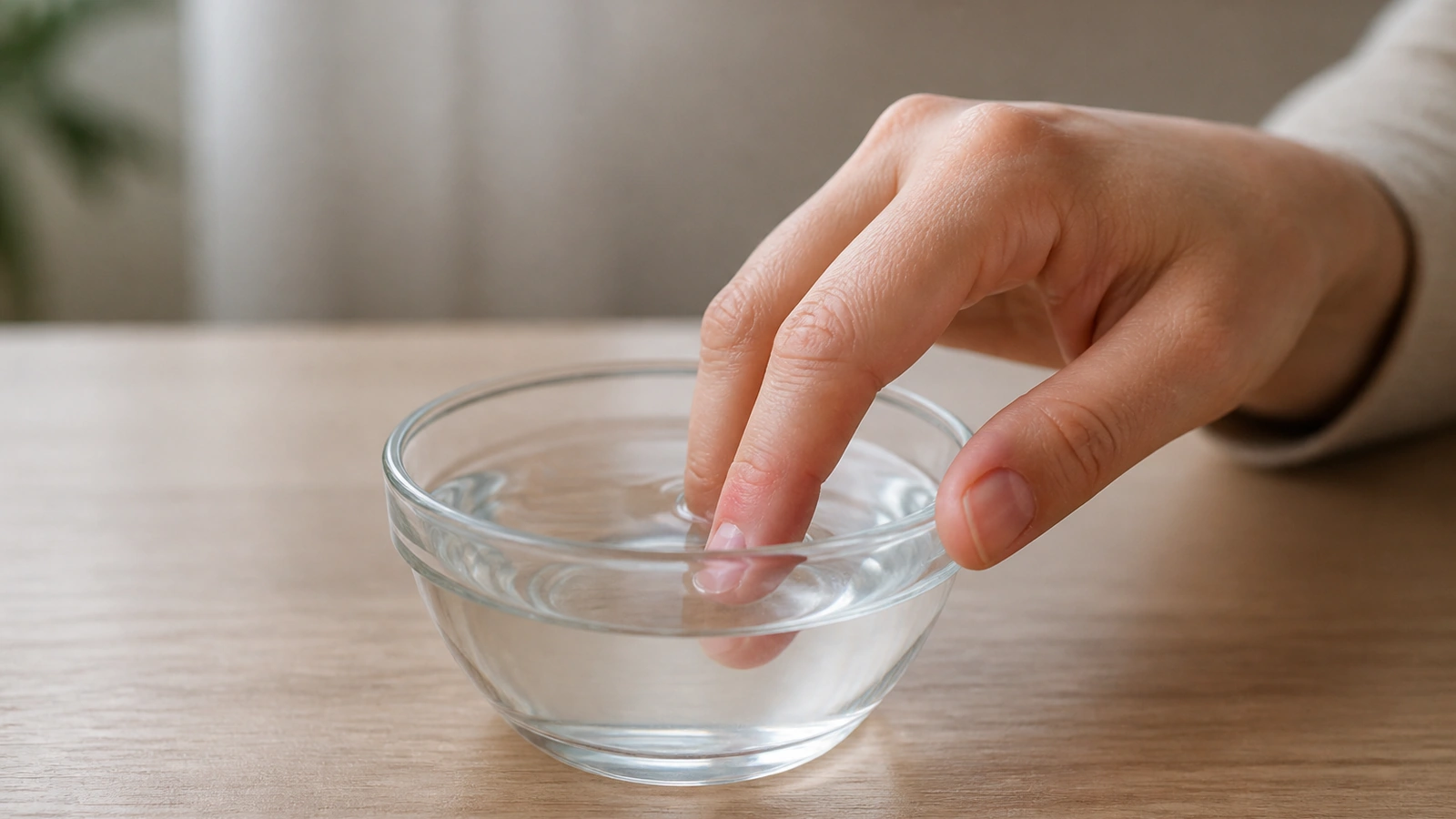
- Mild finger paronychia often begins with tenderness, redness, and swelling around the nail edge.
- Warm soaks, gentle cleaning, and avoiding further trauma are common first steps when symptoms are mild.
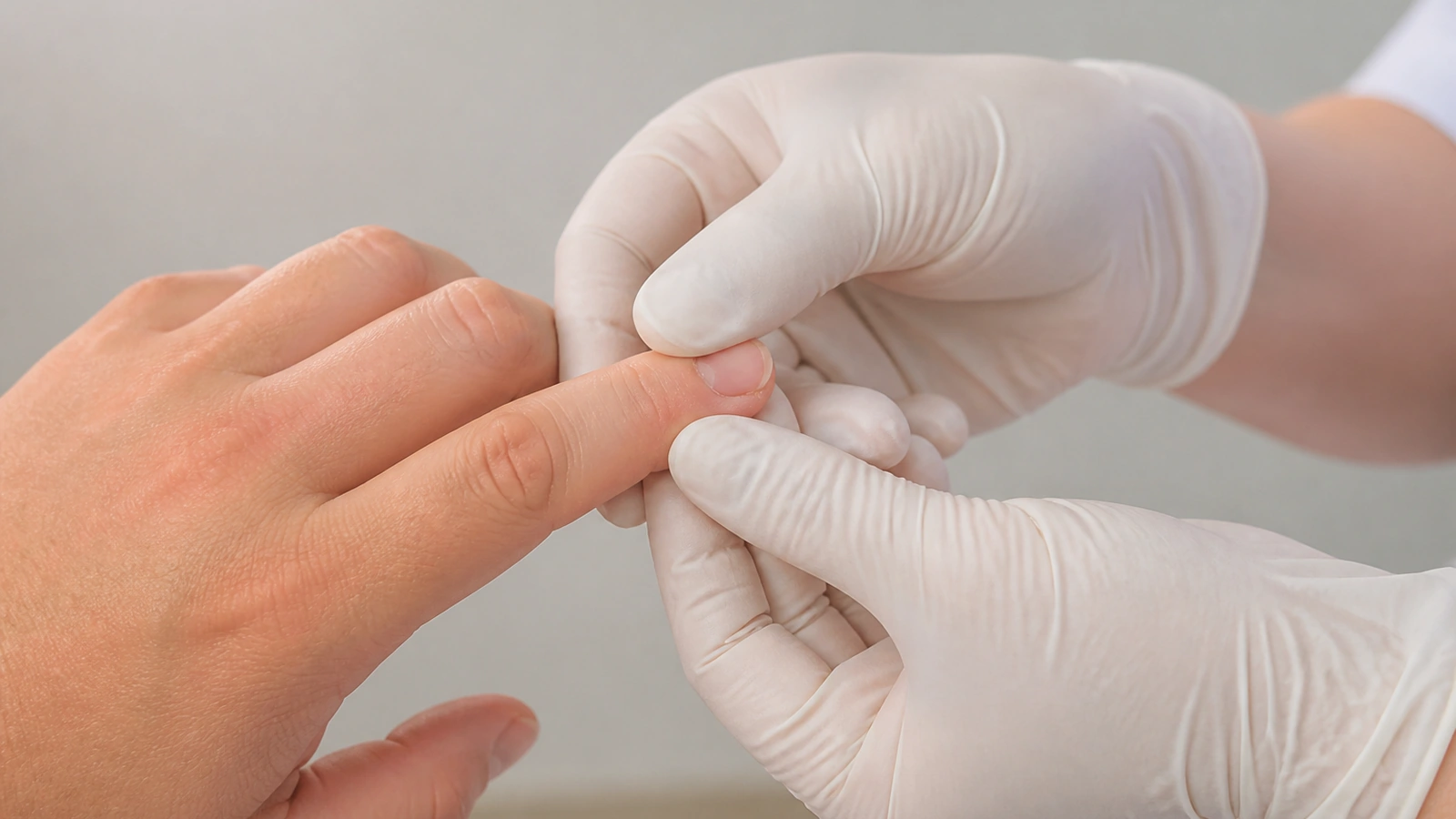
- Medical care is important if there is pus, worsening swelling, spreading redness, fever, or concern for a deeper infection.
Finger paronychia is an infection or inflammation around the nail fold, the skin that borders the nail on the side or base of a finger. It often starts after the skin barrier is disrupted by biting, picking, trimming too closely, frequent wet work, or a small injury. Early care focuses on reducing irritation, keeping the area clean, and watching for signs that the problem is worsening. Some mild cases settle with careful home measures, while others need medical evaluation, especially if there is pus, spreading redness, severe pain, or the finger becomes hard to use. Knowing what to do first can help you respond calmly and avoid making the area more inflamed.
What finger paronychia looks and feels like
Finger paronychia usually affects the skin right next to the nail. The area may look red, puffy, shiny, or irritated, and it may feel sore when touched. Some people notice throbbing pain, especially if pressure builds under the skin. In mild cases, the symptoms stay close to the nail fold. In more advanced cases, a pocket of pus can form, making the skin feel tight and more painful.
There are two broad patterns. Acute paronychia develops quickly, often over hours or a few days, and is commonly linked to a break in the skin that lets germs enter. Chronic paronychia lasts longer and tends to involve repeated irritation, moisture exposure, and a gradually inflamed nail fold. Chronic cases are not always infected in the same way acute cases are, so the pattern of symptoms matters.
It is also worth paying attention to what is not typical for simple nail-fold irritation. Pain that is intense, swelling that moves beyond the nail area, or changes in finger function can suggest a more serious process. If the skin around the nail becomes very tender and there is visible drainage, a collection of fluid may be present.
Common causes and risk factors
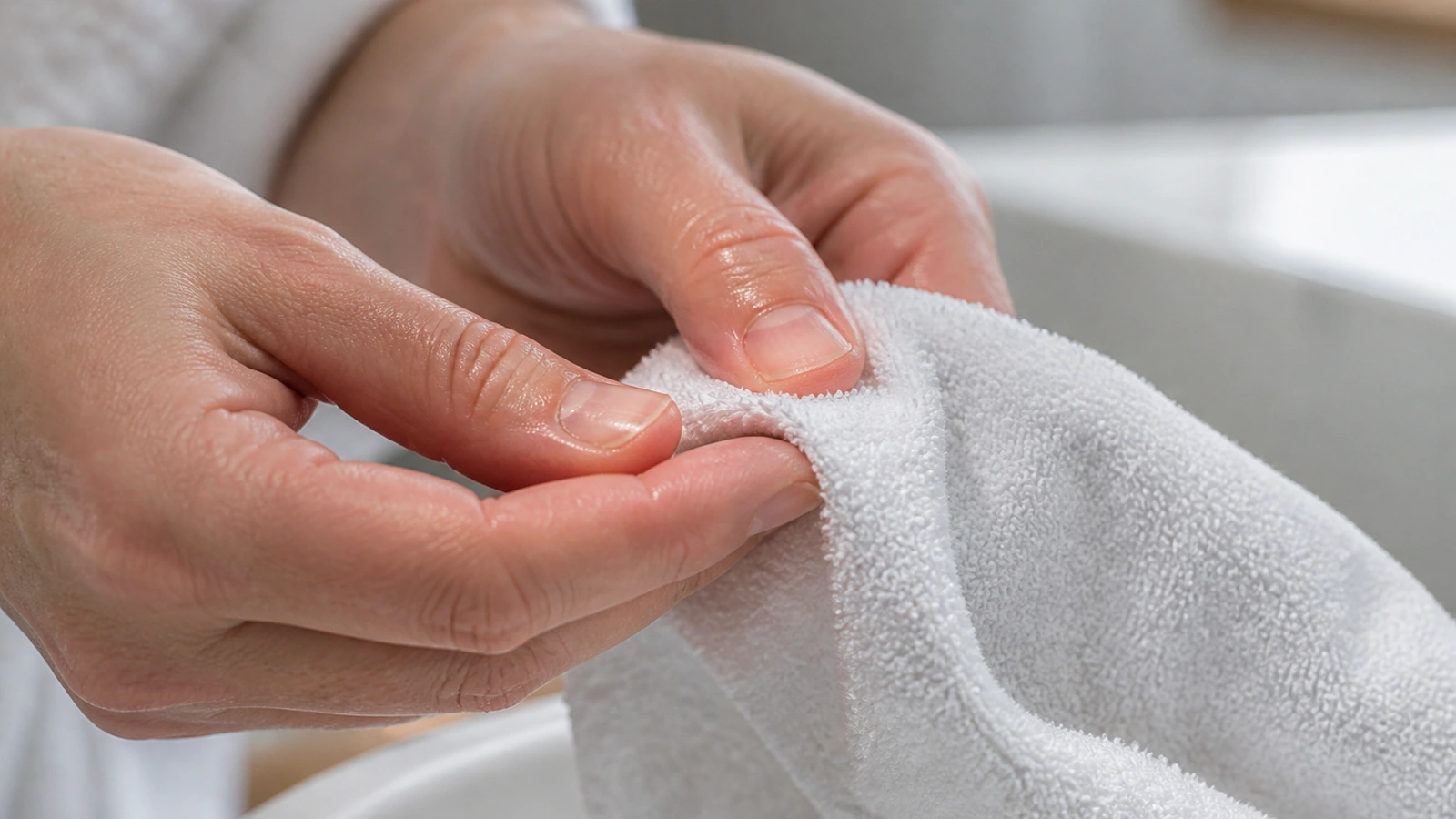
Finger paronychia usually starts when the skin around the nail is damaged. Even a small break can create a path for irritation or infection. Common triggers include biting nails or cuticles, picking at hangnails, manicures that cut or push back the cuticle too aggressively, and trimming nails too short. A cracked nail fold can also happen after repeated hand washing, dishwashing, cleaning, or work that keeps the hands damp for long periods.
People with frequent moisture exposure often have more fragile skin around the nails. So do people who use harsh soaps or solvents without protection. Dry, cracked skin can be easier to injure, while constantly wet skin can soften and break down more easily. Both situations can raise the chance of inflammation.
Underlying health issues may matter too. Circulation problems, diabetes, or immune system weakness can make infections more likely to become complicated. That does not mean every nail-fold infection is serious, but it does mean symptoms deserve closer attention if healing seems slow or if there are repeated episodes.
First steps you can take at home
For a mild case, the goal is to reduce irritation and support the skin barrier. Warm water soaks are a common first step. They may help ease discomfort and encourage drainage if a small amount of fluid is present. Use clean, comfortably warm water and soak the finger for a short period several times a day if tolerated. Afterward, dry the area gently and keep it clean.
Avoid squeezing, cutting, piercing, or trying to drain the area yourself. Doing so can push infection deeper or create more skin damage. It is also wise to pause habits that keep the area irritated, such as nail biting, picking, or aggressive manicuring. If you work with water or cleaning agents, protect the hands as much as possible and change out of damp gloves or wet coverings promptly.
A bland protective ointment or barrier can help keep the surrounding skin from drying out, but any open or worsening infection should be assessed carefully rather than treated as simple dryness. If the skin is only mildly inflamed, reducing friction and keeping the area dry between soaks may be enough to help. If symptoms do not start to improve, home care should not be continued indefinitely without guidance.
Keep the nail short, but do not cut into the side folds or cuticle. If a hangnail is present, trim it cleanly rather than pulling it. These small steps can reduce repeat injury while the skin heals.
When self-care is reasonable and when it is not
Self-care is most reasonable when the redness and swelling are limited to the nail fold, the pain is mild to moderate, and there is no visible abscess or systemic illness. The area should not be rapidly expanding, and finger movement should remain fairly normal. In that setting, careful home measures and observation may be appropriate for a short time.
Self-care is not enough if the finger is getting worse instead of better. If the skin becomes increasingly swollen, the pain intensifies, or a soft, fluctuant pocket forms, there may be pus that needs medical treatment. Pain that seems out of proportion to the visible irritation can also be a warning sign. A nail-fold problem that starts after a puncture, bite, or other contaminated injury may deserve more caution as well.
People with diabetes, poor circulation, or immune suppression should have a lower threshold for medical evaluation. The same is true if the infection is on a thumb or index finger that is needed for work, or if pain is making it difficult to grasp objects. It is better to be checked early than to wait for a problem to spread.
Warning signs that need medical care
Seek medical care if you notice pus, a pocket of fluid, or drainage that keeps returning. Redness that spreads beyond the nail fold, especially if the skin around the finger becomes warm and tender over a wider area, can suggest a larger infection. Fever, chills, or feeling unwell are additional reasons to be seen promptly.
Other warning signs include severe pain, increasing swelling, inability to bend the finger normally, numbness, or a finger that looks tense and shiny. If the fingertip becomes very sensitive or the pain worsens with movement, a deeper hand infection may be possible and should not be ignored. A red streak moving up the finger or hand also needs prompt attention.
Medical evaluation is especially important if symptoms do not improve after a short period of careful home care, or if they improve and then come back. Recurrent inflammation may point to ongoing irritation, repeated trauma, or a condition that needs a different approach. In some cases, healthcare professionals may need to drain trapped fluid or prescribe treatment based on the appearance and severity of the infection.
How to prevent it from coming back
Prevention starts with protecting the skin around the nails. Avoid biting, chewing, or picking the fingers and cuticles. Trim nails straight across and do not cut them too short. If you get hangnails, clip them cleanly rather than tearing them. These habits may seem minor, but repeated small injuries are a common reason nail-fold problems return.
Moisture control matters too. If your hands are often in water, try to dry them thoroughly and use gloves when appropriate. For cleaning, gardening, food prep, or other wet work, choose hand protection that fits well and does not stay damp inside. When gloves are removed, wash and dry the hands carefully so moisture does not linger around the nails.
Skin care can also help. Dry, cracked cuticles are easier to injure, so regular moisturizing of the hands may support the skin barrier. Be gentle with manicures and avoid pushing back the cuticle aggressively. If a certain routine or work task repeatedly triggers inflammation, adjusting that habit may prevent another episode.
If paronychia keeps coming back, it is worth looking for patterns. Repeated exposure to irritants, a habit of picking at the nails, or an underlying skin condition may be contributing. Chronic or recurrent symptoms should be reviewed by a qualified clinician rather than managed only by trial and error.
Finger paronychia is often manageable when caught early, but the key is to respect changes that suggest a deeper or spreading infection. Clean, careful home care may be appropriate for mild cases, yet worsening pain, pus, spreading redness, fever, or reduced finger movement should prompt timely medical attention. If you are unsure whether the problem is improving, or if you have health conditions that raise the risk of complications, seek professional care sooner rather than later.