
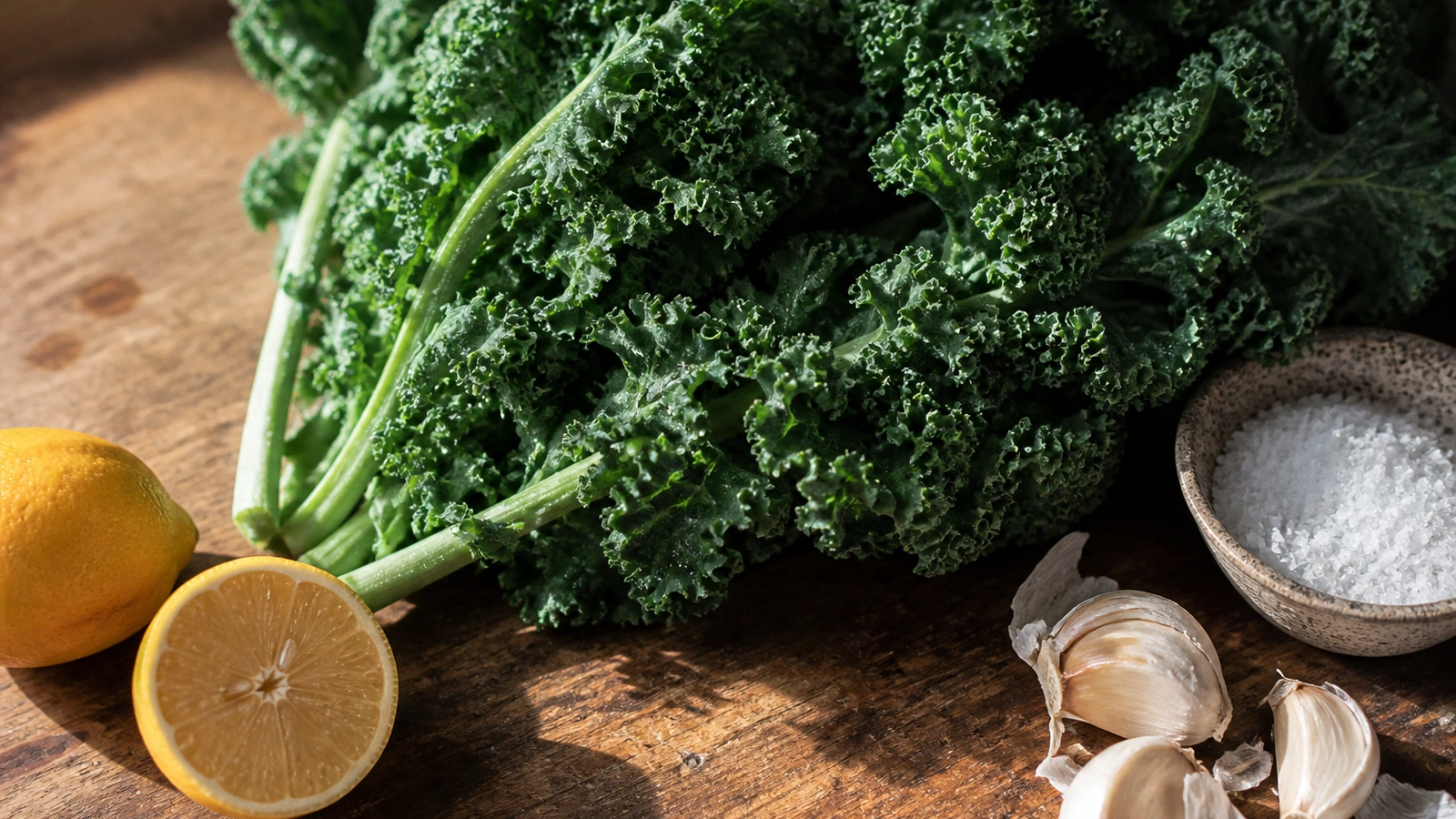
- Kale tastes better when it is trimmed, chopped, and seasoned in a way that softens its natural bitterness
- Different cooking methods change kale’s texture, so the same green can work in salads, sautés, soups, and baked dishes
- Family-friendly kale recipes usually work best when they include familiar flavors, simple steps, and flexible ingredients
Kale recipes can be simple, flexible, and easy to fit into everyday meals. The key is to use methods that soften kale’s texture, balance its flavor, and pair it with foods most families already enjoy. Whether you are making a quick side dish, building a grain bowl, or adding greens to soup, kale works best when it is handled with a little care. Removing tough stems, chopping it evenly, and seasoning it well can make a noticeable difference.
How to choose and prepare kale for better results
Not all kale behaves the same way in recipes. Curly kale has ruffled leaves and a firm texture that works well in sautés, soups, and crisped snacks. Lacinato kale, also called dinosaur or Tuscan kale, has flatter leaves that are often easier to slice thinly and tend to feel a little more tender once cooked.
Freshness matters more than variety for many home cooks. Look for leaves that seem crisp rather than wilted, with stems that are firm but not dry or woody. Before cooking, rinse the kale well, shake off excess water, and dry it if you want better browning or a less watery dish.
The stem is often the part that makes kale feel tough. For most recipes, strip or cut away the center rib and chop the leaves into pieces that match the dish. If raw kale tastes too assertive, massaging it with a little oil and acid can help soften the leaves, though this is only useful for salads and cold dishes.
Easy kale recipes that work for busy weeknights
The most useful kale recipes are the ones that fit into a normal evening routine. A fast sauté is often the easiest place to start. Warm a pan with a little oil, add chopped garlic if desired, then stir in kale with a splash of water or broth. Cover briefly to help the leaves wilt, then uncover and finish with salt, pepper, and a squeeze of lemon or vinegar if you want brightness. This method works well as a side dish for eggs, beans, chicken, fish, or grain bowls.
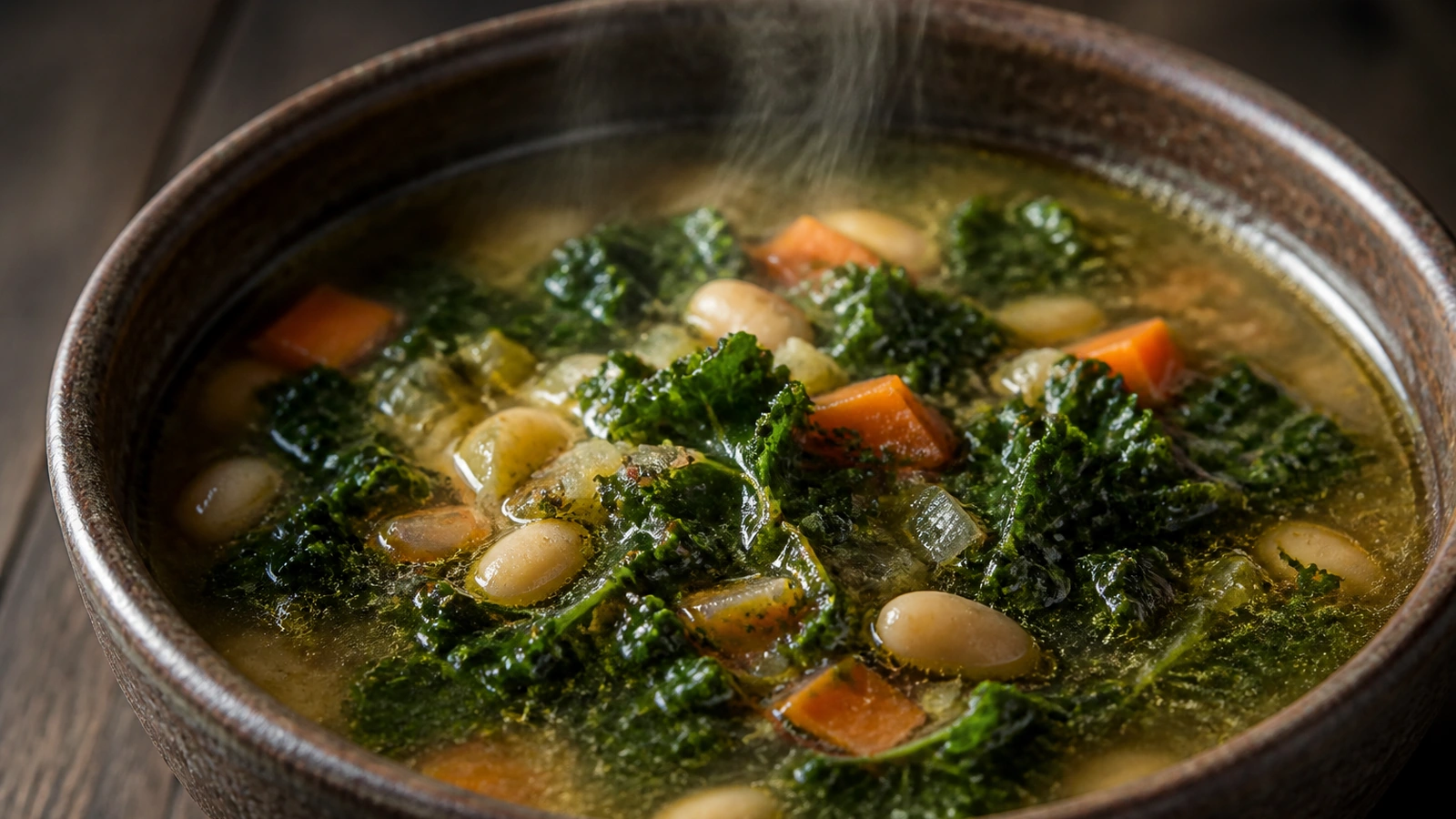
Soup is another reliable way to make kale more family-friendly. Add it near the end of cooking so it keeps some structure without becoming limp. Kale works well in vegetable soups, bean soups, lentil soups, and brothy pasta dishes. If the soup already tastes mild, a small handful of chopped kale can add color and substance without changing the whole meal.
Baked dishes are also practical because kale can blend into recipes that already have familiar flavors. It can be folded into casseroles, baked pasta, breakfast bakes, and savory pies. If the family is new to kale, combining it with cheese, potatoes, rice, or eggs can make the flavor feel more familiar.
Some easy approaches to keep on hand:
- Stir kale into scrambled eggs or omelets
- Add chopped kale to bean or vegetable soup
- Mix sautéed kale into pasta with olive oil and garlic
- Bake kale into egg dishes, grains, or layered casseroles
Flavor pairings that make kale taste milder and more appealing
Kale has a strong taste, which is part of why it benefits from thoughtful pairings. Acid, fat, salt, and sweetness can each change how the leaf tastes. A small amount of lemon juice, vinegar, or tomato can brighten the flavor and reduce the sense that kale is heavy or bitter. Oil, avocado, cheese, nuts, or seeds can round out the texture and make the greens feel less sharp. Salt should be used carefully but not skipped, since underseasoned kale often tastes harsher than intended.
Milder vegetables can also help. Potatoes, sweet potatoes, carrots, onions, squash, and mushrooms all work well with kale in hot dishes. These ingredients bring softness or sweetness that balances the leafy flavor. In cold dishes, fruit such as apple or dried fruit can create contrast, though the rest of the salad should stay simple enough not to overwhelm the greens.
Grains and beans are especially helpful for family meals. Rice, quinoa, farro, oats, white beans, chickpeas, or lentils can turn kale into a more complete dish without requiring complicated cooking. Kale also works well with breakfast foods because eggs, potatoes, and toast give the meal a familiar base.
To make kale more approachable, consider these pairings:
- Lemon, vinegar, or tomato for brightness
- Olive oil, nuts, seeds, avocado, or cheese for richness
- Potatoes, squash, beans, or grains for a fuller meal
- Garlic, onion, and mild herbs for steady background flavor
Kid-friendly kale ideas without making it feel like a chore
When cooking for a family, it helps to think less about forcing kale into a dish and more about blending it into foods people already expect to eat. Thinly sliced kale is easier to hide in mixed dishes than large, tough pieces. If children or cautious eaters are involved, start with smaller amounts mixed into familiar recipes rather than serving a large bowl of greens on its own.
Pasta is one of the easiest places to begin. Chop kale finely and stir it into hot pasta with olive oil, garlic, and a little cheese. The heat softens the leaves quickly, and the rest of the dish gives enough flavor to keep the kale from standing out too much. Pizza-style toppings, baked pasta, and stuffed pasta dishes can also carry kale well when the leaves are cooked first.
Smoothies can work for families that want a more indirect approach, but they should be treated carefully. Kale can be blended with fruit, yogurt, milk, or a milk alternative to create a green smoothie, yet the result depends heavily on balance. Too much kale can make the drink taste grassy. If you use this route, keep the amount modest and pair it with fruits that bring body and sweetness.
Other easy family ideas include:
- Finely chopped kale in quesadillas or omelets
- Kale mixed into mashed potatoes or potato soup
- Kale folded into rice with mild seasoning
- Kale added to meatballs, patties, or savory muffins when a recipe already uses greens or herbs
The main goal is familiarity. If the texture is soft and the flavor is blended into something recognizable, kale becomes easier to accept. Repeated exposure often matters more than trying to make one recipe do everything.
Simple cooking methods: raw, sautéed, roasted, or braised
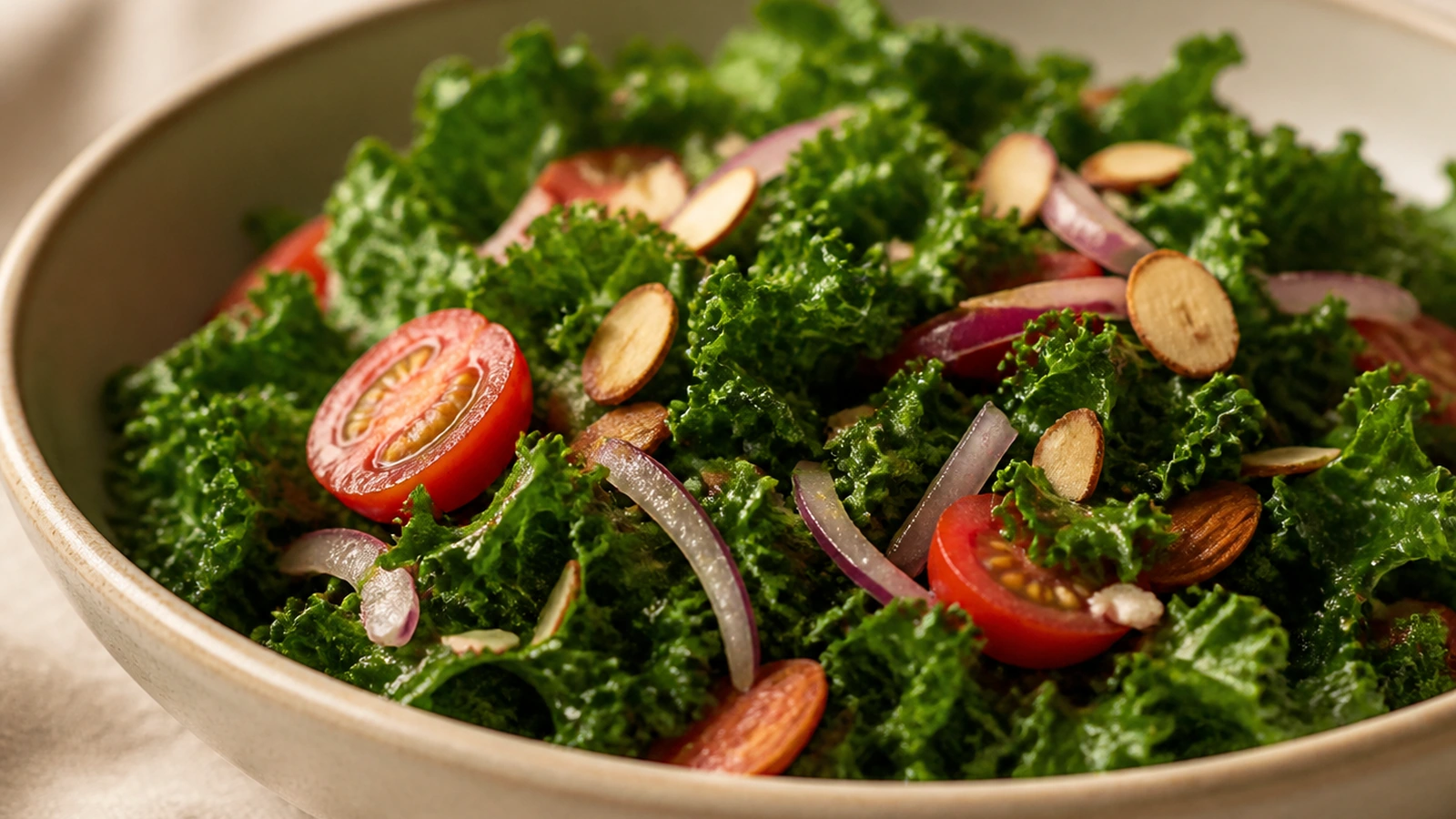
Different cooking methods create very different results, so it helps to choose based on the final texture you want. Raw kale is best when it is sliced very thinly and dressed well in advance. A raw salad can work when the leaves are massaged with oil and acid, then left to sit so they soften a bit. This method is useful if you want a sturdy salad that will not collapse quickly after dressing.
Sautéing is usually the fastest and most flexible method. It keeps the color bright and creates a tender result without much effort. For a basic version, cook the kale just until it wilts, then season and serve. If you want a softer texture, cover the pan for a minute or two with a splash of water or broth. This can be helpful when serving kale to people who prefer less chew.
Roasting creates edges that turn crisp while the leaves dry out and become lighter in texture. This method works well for seasoned kale chips or roasted side dishes, though it requires attention because kale can burn quickly. If the leaves are too wet or crowded on the pan, they may steam instead of crisp. Spread them out in a single layer and keep the oven temperature moderate.
Braising is the most forgiving choice for firmer leaves. Simmer kale gently in broth, tomato, or a lightly seasoned liquid until tender. This method is especially useful when you want kale to feel soft and integrated into a dish, such as with beans, sausage-style seasonings, or hearty soups. It takes longer than sautéing, but it gives a more mellow result.
A quick guide to method choice:
- Raw for salads and cold bowls
- Sautéed for fast sides and mixed dishes
- Roasted for crisp texture and concentrated flavor
- Braised for soft, comforting meals
What to watch for when cooking kale at home
Kale is straightforward, but a few common problems can affect the final dish. Overcooking is one of the biggest. When kale cooks too long, it can turn dull, very soft, and sometimes slightly sulfurous in flavor. That is not always a problem in soups or braises, but it may be less appealing in dishes where you want some texture. If you are unsure, start with less cooking time and taste as you go.
Too much liquid can also make kale less appetizing. In sautéed dishes, use only enough moisture to help it soften, then let excess water cook off. If kale is added to a wet dish without planning, it may dilute the flavor or become soggy. In salads, on the other hand, a little extra dressing can be useful because it helps break down the leaves. The goal is not the same in every recipe.
Another issue is bitterness, which may be more noticeable in older kale or very large leaves. Removing thick stems, cutting leaves small, and pairing the greens with salt, acid, and fat usually helps. If the leaves still taste too strong, try cooking them a bit longer or mixing them with milder greens. Spinach, chard, or romaine can soften the overall flavor profile in mixed recipes.
Food safety and comfort also matter. Fresh kale should be washed well to remove grit, especially from curly leaves where soil can hide. Store it chilled and use it while it still looks crisp. If it smells off, feels slimy, or looks badly wilted, it is better to discard it. For people with specific dietary needs, especially those managing kidney stones, blood-thinning medication, or other health concerns, it is wise to ask a qualified clinician about how leafy greens fit into the overall diet. This article provides general information and does not replace professional advice tailored to an individual situation.
Building a few reliable kale recipes into everyday meals
The most sustainable way to use kale is to rely on a few repeatable patterns rather than chasing complicated dishes. A simple sauté, a soup addition, a baked egg dish, and a mixed grain bowl can cover many meals with minimal effort. Once those patterns are familiar, it becomes easier to shop, prep, and use kale before it loses freshness.
Batch preparation can help, especially if time is limited during the week. Washing and drying kale ahead of time makes it more likely to be used. Some cooks prefer to remove stems and chop the leaves right after shopping so the greens are ready for quick meals. Others keep the leaves whole until needed for better storage. Either method can work if the kale stays dry and cold.
It also helps to match kale with the rest of the meal instead of treating it as a separate task. If dinner already includes pasta, beans, soup, eggs, or roasted vegetables, kale can usually fit in with little extra work. That makes it easier to build a habit without relying on special recipes or unusual ingredients. A good kale recipe should feel practical, not demanding.
If you want better results at home, focus on a few essentials: use fresh leaves, remove the tough center rib, choose the right cooking method, and season with enough care to support the greens. Kale does not need to be complicated to be useful. With the right preparation, it can become one of the simplest ways to add more plants to everyday family meals.