- Build snacks around a few whole-food ingredients that are filling and easy to prepare
- Match the snack to the situation, such as work, travel, exercise, or a long gap between meals
- Choose combinations that support satiety without turning a snack into a second meal
Healthy snacks can make it easier to stay steady between meals without relying on foods that leave you hungry again soon. This article provides general information and does not replace professional advice tailored to an individual situation. The most useful choices usually combine fiber, protein, healthy fats, or water-rich ingredients in a way that feels satisfying and is easy to fit into a normal day. The goal is not perfection or rigid rules. It is to have simple options that support energy, appetite, and routine.
What makes a snack feel balanced
A balanced snack is usually one that slows down hunger rather than briefly distracting from it. That often comes from pairing different food groups. Fruit alone may be refreshing, but fruit with nuts, seeds, yogurt, or a spread with protein and fat can feel more complete. Crackers alone may be convenient, but crackers with avocado, hummus, or cheese may hold you longer. The best balance depends on your needs, appetite, and the amount of time until your next meal.
It also helps to think beyond nutrition labels and focus on the actual eating experience. A snack that is too small may leave you reaching for more food shortly after. A snack that is too large may crowd out a meal later.
Some people do well with a snack that is mostly protein-based. Others need more carbohydrate, especially if they are active or going many hours between meals. Still others prefer something crisp and fresh. There is no single formula, but there are a few useful patterns:
- Fruit plus nuts or seeds
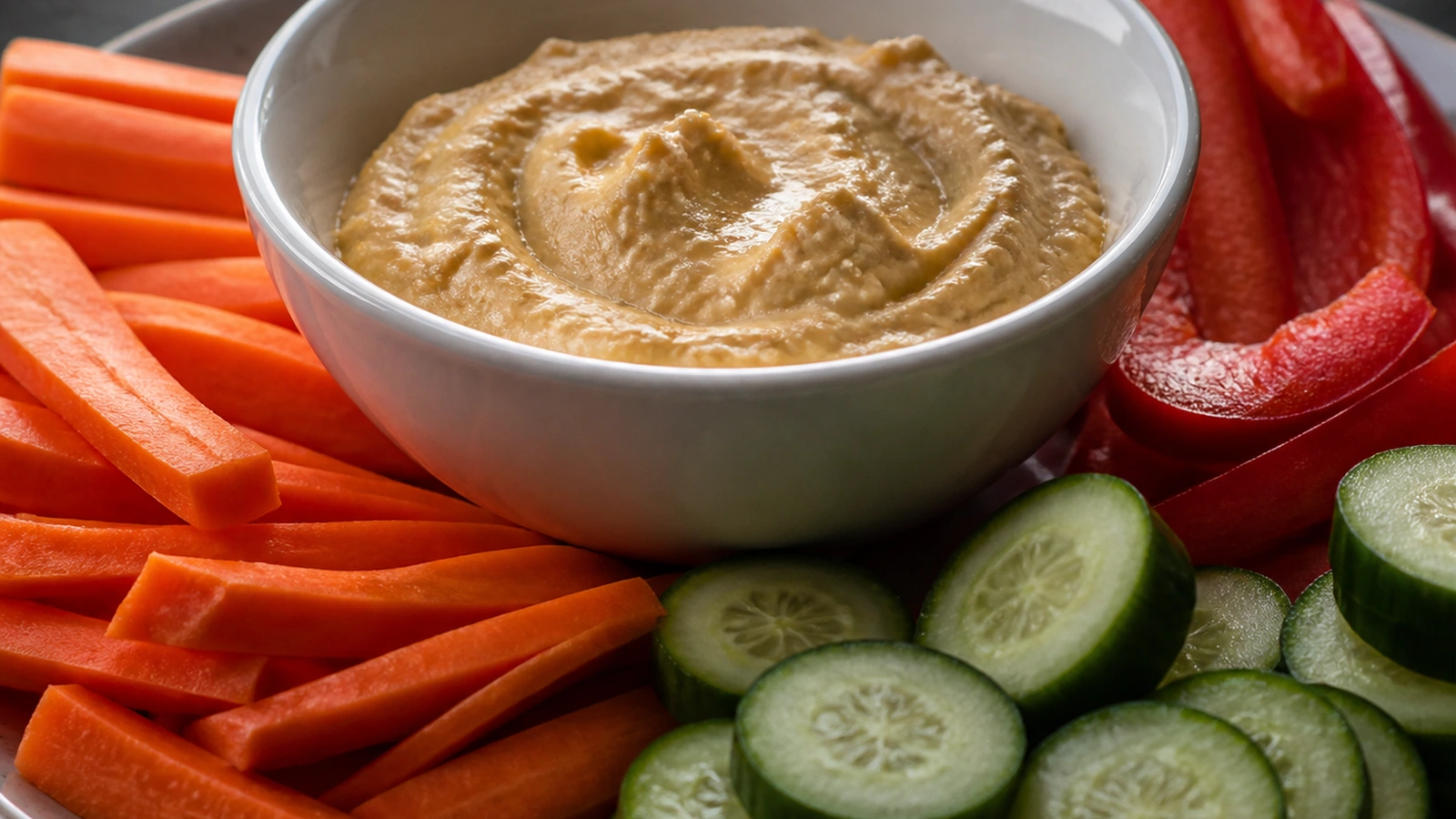
- Vegetables plus hummus or another bean-based dip
- Whole-grain toast or crackers plus nut butter, avocado, or cheese
- Plain yogurt or a nondairy alternative plus fruit and seeds
- Hard-boiled eggs with produce or whole-grain crackers
These combinations are practical because they are easy to assemble, easy to vary, and less likely to feel one-dimensional.
Choosing snacks for real-life schedules
The best snack strategy depends on when and why you need it. A snack for a midmorning gap at home can be different from a snack packed for a commute or a long workday. If your day is predictable, you may only need one or two planned options. If your schedule changes often, keep a small set of shelf-stable foods available so you are not forced to make a decision when you are already very hungry.
For office settings, the most useful snacks are often quiet, tidy, and simple to store. Fresh fruit, trail-style mixes without candy, roasted legumes, whole-grain crackers, and shelf-stable nut or seed options can work well.
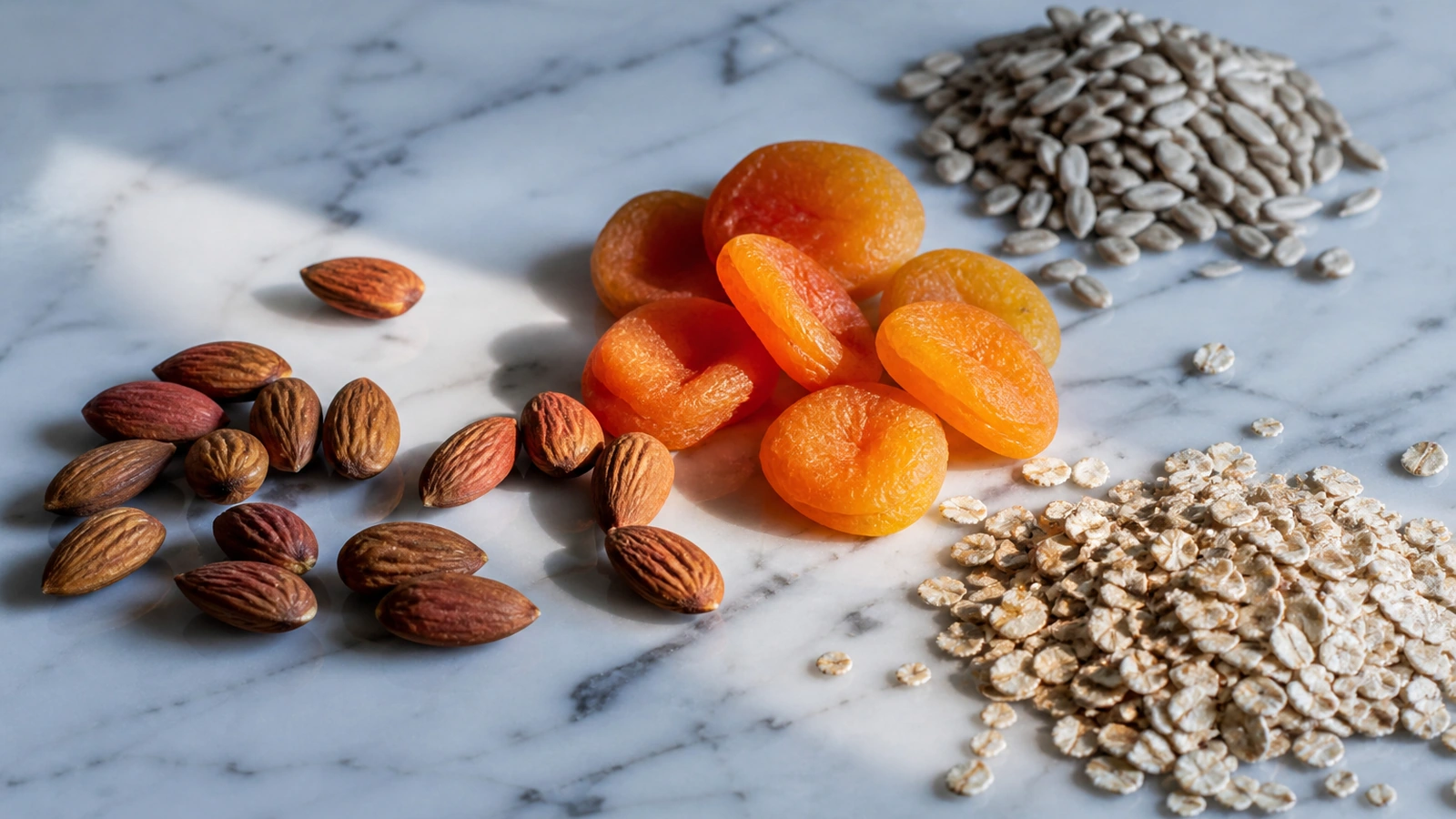
For travel, think about foods that tolerate time, heat, and movement. Whole fruit, unsalted nuts, seeds, dried fruit in small portions, crispbread, and plain grain snacks are often easier to manage than delicate items. If you have access to a cooler, you can expand your choices to include sandwiches, cheese, chopped vegetables, and other perishable items.
For active days, it can help to separate an everyday snack from a pre- or post-activity snack. Before movement, many people prefer something lighter and easier to digest. Afterward, a snack with more protein and carbohydrate may feel more restorative. The exact timing depends on the person and the activity, so it is usually better to observe how different choices affect comfort and satiety than to follow a strict rule.
A useful approach is to build a small rotation of snacks that match different situations:
- Quick and portable
- Refrigerated and fresh
- Crunchy and savory
- Sweet but not overly processed
- More filling for longer gaps between meals
Whole-food snack ideas that are easy to use
Whole-food snacks do not need to be complicated. In many cases, the simplest options are the most realistic. A piece of fruit with a handful of nuts can be enough. So can sliced vegetables with a dip, or a small bowl of yogurt with seeds. The value of these snacks is not novelty; it is repeatability.
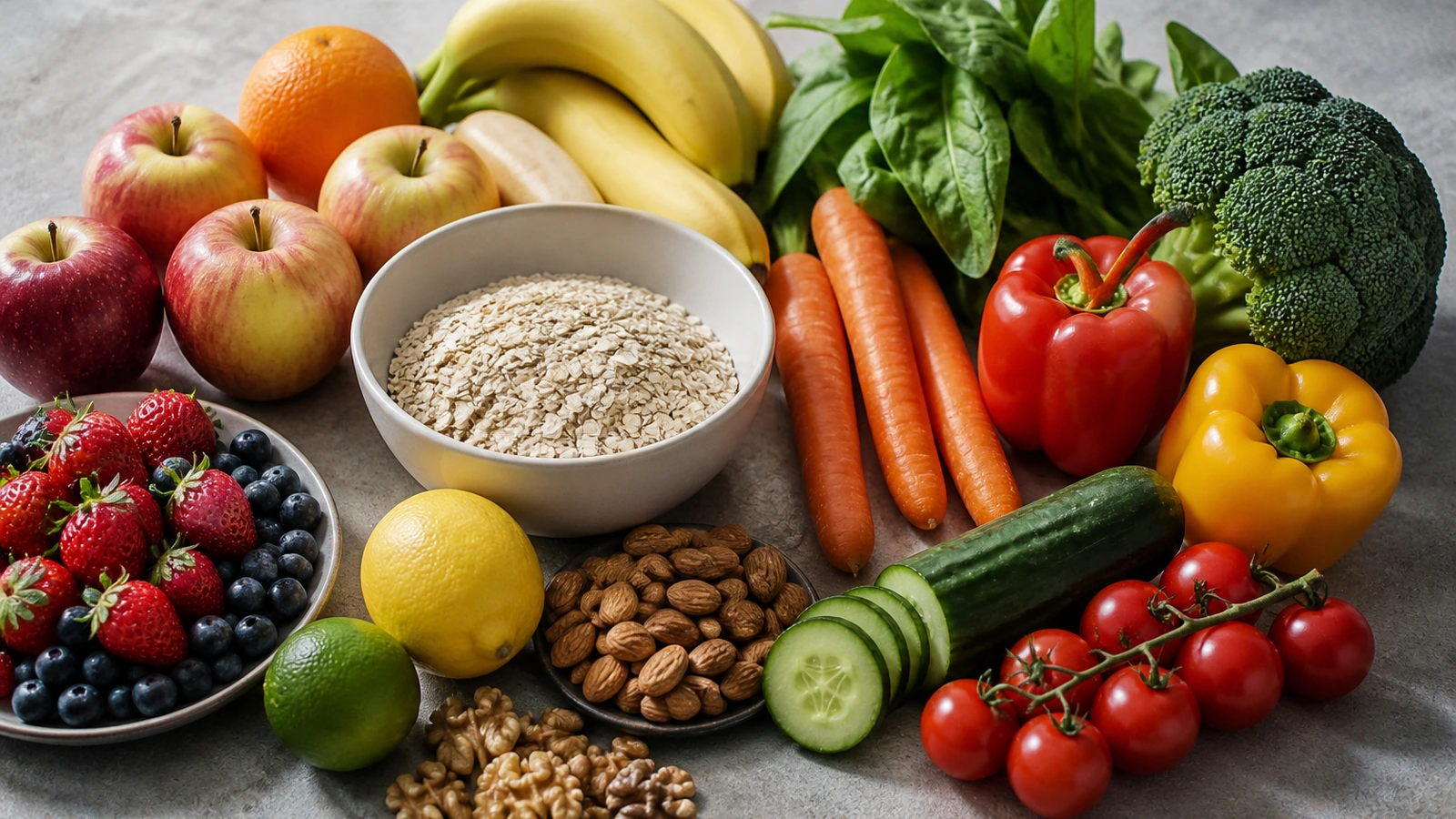
Fruit is a good place to start because it is portable, naturally sweet, and easy to pair. Apples, pears, berries, citrus, bananas, and grapes all work differently, so you can choose based on what feels satisfying. Some people prefer fruit with a little fat or protein to make it last longer. Others enjoy fruit on its own as a quick pause between tasks.
Vegetables can also be practical snack foods, especially when texture matters. Carrots, cucumbers, bell peppers, cherry tomatoes, snap peas, and celery are easy to portion and can be dipped or eaten plain. If you want more staying power, pair them with hummus, bean dip, yogurt-based dip, or another spread that adds substance.
Protein-rich snacks can be especially helpful when meals are far apart. Plain yogurt, cottage cheese, eggs, edamame, roasted chickpeas, and unsweetened nut or seed spreads are all examples that may fit different preferences. The key is to choose options that are acceptable to you over time, not just on paper.
A few straightforward combinations are worth keeping on hand:
- Apple slices with nut butter
- Banana with seeds or a spoonful of nut butter
- Carrot sticks with hummus
- Plain yogurt with berries
- Whole-grain crackers with cheese
- Roasted chickpeas with fruit
- Cucumber slices with a bean-based spread
If you prefer something more substantial, a small open-faced toast or a half sandwich can work as a snack. That may be especially useful if your meals are spaced widely apart. The point is not to avoid all structure, but to keep the portion small enough that it still functions like a snack.
How to avoid snacks that leave you unsatisfied
Many snacks fail because they are either too refined, too small, or too easy to eat quickly. A package of very light crunchy food may taste pleasant but not provide much staying power. Sweet snacks with little protein or fiber may also wear off quickly. This does not mean you need to eliminate all convenience foods. It means paying attention to what helps you feel satisfied for a reasonable amount of time.
One common issue is eating snack foods that are mostly refined starches or added sugars without anything else. These foods can fit into an overall eating pattern, but on their own they may not be enough when hunger is real. If you like something sweet, consider pairing it with protein or fat. If you like something salty, add a fruit or vegetable component. Small adjustments often make a large difference.
Another issue is using snacks to bridge very long gaps that really need a meal. If you are consistently hungry before your next planned meal, the answer may be a more substantial breakfast, lunch, or dinner rather than a bigger snack every time. Snacks work best when they supplement a rhythm that already supports you.
It can also help to slow down just enough to notice hunger signals before you eat. A snack eaten while distracted may not feel as satisfying as the same food eaten with a little more attention. You do not need a formal ritual. Even a brief pause can help you notice whether you want crunch, sweetness, protein, or simply a break.
A few practical ways to improve snack satisfaction:
- Add fiber, protein, or healthy fat to a simple carbohydrate
- Choose snacks with more than one texture
- Keep portions moderate so hunger remains appropriate for the next meal
- Avoid relying only on ultra-processed snack foods when you need real staying power
- Notice whether the snack matches your actual hunger level
If you routinely feel shaky, weak, lightheaded, nauseated, or unusually irritable when you are hungry, do not assume that a snack alone will solve the problem. Those symptoms can have many causes, and they are worth discussing with a qualified health professional, especially if they are frequent or severe.
Planning snacks without turning food into a project
Healthy snacking is much easier when the right foods are already available. Planning does not have to mean elaborate meal prep. It can be as simple as buying a few items that mix well together and keeping them in visible places. When the easiest option is a sensible one, you are more likely to use it.
A good snack plan usually includes a mix of fresh and shelf-stable foods. Fresh foods are great when you have access to refrigeration and regular shopping. Shelf-stable foods are useful for busy days, travel, and backup options. Together, they reduce the chance that hunger will push you into whatever is closest.
Consider organizing snacks by use rather than by category alone. For example:
- Desk snacks for long work stretches
- Bag snacks for commuting or errands
- Home snacks for afternoons and evenings
- Post-activity snacks for recovery and comfort
This kind of organization makes decisions faster. It also helps you avoid reaching for food that is technically available but not actually satisfying.
Preparation can stay simple. Wash fruit, portion nuts or seeds into small containers, cut vegetables in advance, and keep sturdy dips or spreads ready to use. If you like more savory snacks, prepare a few combinations at the start of the week so they are easy to grab. If you prefer sweet snacks, keep fruit and plain yogurt visible and easy to reach.
It is also reasonable to treat snacks as part of a budget. The least expensive option is not always the most practical, and the most convenient option is not always the best fit. A small amount of planning can reduce waste by helping you buy foods you actually use. That can matter as much for routine as for nutrition.
If you share food with a household, try to keep some snack items separate so they remain available when you need them. Clearly stored items, even without labels, tend to be easier to find and use. That kind of small friction reduction often makes healthy choices more consistent.
When to be more careful with snack choices
Most people can choose snacks based on appetite, routine, and preference. Some situations call for more caution. If you have food allergies, intolerances, digestive sensitivities, or a medical condition that affects eating, snack choices should match your needs and any guidance you have been given by a qualified clinician. In those cases, a good snack for someone else may not be right for you.
It is also wise to be careful if snacking tends to become mindless or stressful. If you are eating mainly from boredom, anxiety, or habit, the issue may not be snack quality alone. A more useful approach might include checking whether you are rested, hydrated, and eating balanced meals. Sometimes the body wants food; sometimes it wants a pause, water, movement, or a break from the task at hand.
If you notice persistent digestive discomfort after certain snacks, keep track of patterns and bring them to a health professional rather than assuming the cause. Reactions can be related to ingredients, portion size, speed of eating, or something unrelated to the snack itself. The goal is to learn what works for your body without overreacting to isolated experiences.
Children, older adults, pregnant people, and anyone with special nutritional needs may need snack choices tailored to their situation. In general, it is better to use personalized guidance when those needs exist than to rely on generic advice.
A practical rule is simple: if a snack pattern is helping you feel steady, comfortable, and appropriately satisfied, it is probably serving its purpose. If it regularly leads to discomfort, confusion, or worry, it deserves a closer look.
Healthy snacks do not need to be elaborate, expensive, or perfectly optimized. They work best when they are simple enough to repeat and flexible enough to fit real life. A small set of balanced options, kept on hand and matched to your schedule, can make it easier to eat in a way that feels calm, practical, and satisfying throughout the day.