
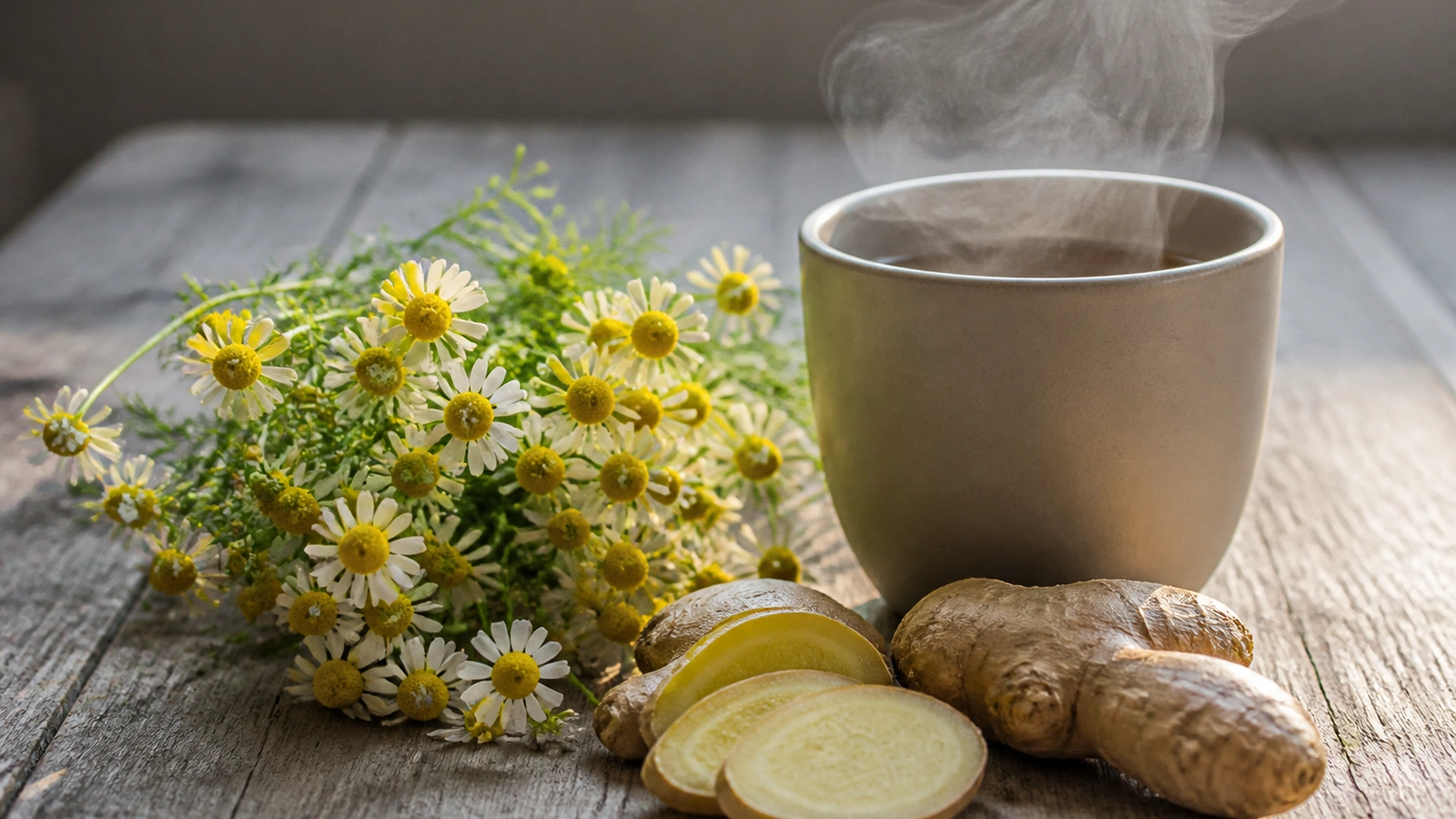
- Heat, rest, hydration, and gentle movement can sometimes reduce menstrual cramp discomfort.
- Severe pain that limits normal activity, lasts beyond the period, or comes with new symptoms should be evaluated by a qualified clinician.
- Tracking timing, location, and associated symptoms can help identify patterns and guide next steps.
Severe menstrual cramps can interrupt sleep, work, exercise, and basic daily routines. While period pain is common, pain that feels extreme, is getting worse, or does not respond to usual self-care deserves attention. The goal is not to push through it, but to reduce strain on the body, notice patterns, and understand when symptoms may need medical evaluation. Comfort measures can help many people feel more manageable during a period, but they are not a substitute for care when pain is unusually intense, comes with other concerning symptoms, or changes in a way that feels different from past cycles.
What severe menstrual cramps can feel like
Menstrual cramps usually come from uterine contractions, which can cause aching, pressure, or sharp lower abdominal pain. Severe cramps are more than mild discomfort that can be ignored. They may make it hard to stand up straight, concentrate, sleep, or stay on a normal schedule. Some people also feel pain in the lower back, hips, or thighs.
The experience can vary from cycle to cycle. Pain may begin before bleeding starts, peak during the first day or two of the period, or continue longer than expected. Some people notice nausea, diarrhea, fatigue, or a general feeling of being unwell along with the cramps. These accompanying symptoms are not specific to one cause, but they can help describe how disruptive the pain is.
Pain that is severe but predictable is still worth taking seriously. Pain that is severe and new, progressively worse, or different from the usual pattern deserves closer attention. The same is true if cramps are not limited to menstruation or if they interfere with eating, drinking, walking, working, or sleeping in a meaningful way.

Comfort measures that may help during a painful period
Supportive self-care will not erase every cause of menstrual pain, but it can make the experience more tolerable. The best approach is often a combination of measures rather than relying on one tactic alone.
Heat is one of the simplest options. A warm compress or heating pad placed on the lower abdomen or lower back may help muscles relax and reduce the sense of cramping. Warm baths can feel similarly soothing if they are safe and practical for the person using them. Heat should be comfortable, not intense, to avoid skin irritation or burns.
Rest matters, especially when pain is severe enough to make normal activity difficult. That does not always mean complete inactivity. Some people feel better when they alternate rest with gentle movement, such as short walks or stretching. Light movement may help with stiffness and can reduce the feeling of being locked up by pain, but it should not be forced if it makes symptoms worse.
Hydration and regular meals can also support comfort. Dehydration, skipping meals, or going long periods without eating may make some people feel weaker, shakier, or more sensitive to discomfort. Small, familiar meals and fluids can be easier to tolerate when cramps are strong. If nausea is present, bland foods may feel easier than rich or heavy meals.
Sleep and positioning can influence how cramps feel. Some people find relief lying on their side with knees bent or with support under the knees when lying on the back. A pillow placed for comfort may ease pressure in the lower body. Because comfort is individual, it can help to experiment with positions that reduce tension without straining the back or hips.
Over-the-counter pain medicine may help some people, but it should be used according to the label and with attention to personal health conditions. Not everyone can safely take every pain reliever, especially people with stomach ulcers, kidney disease, liver disease, bleeding concerns, or other medical issues. If there is any uncertainty about safety, a pharmacist or clinician can help review options.
Daily habits that can reduce strain over time
Short-term relief is important, but recurring severe cramps often call for a broader look at habits and cycle patterns. Changes do not need to be dramatic to be useful.
Regular movement outside the worst pain days may help the body feel less tense across the cycle. This does not mean pushing through intense pain. It means noticing whether consistent, moderate activity on non-cramping days improves overall comfort. Stretching the lower back, hips, and legs may also help some people feel less physically compressed during a period.
Stress can change how pain is experienced. It does not create all menstrual pain, but it can make the body feel more reactive and make discomfort harder to tolerate. Simple stress-reduction practices such as quiet time, breathing exercises, limiting overcommitment during the heaviest days, or reducing unnecessary physical demands may help preserve energy.
Sleep routine matters too. Poor sleep can make pain feel sharper and recovery feel slower. If cramps reliably worsen when sleep has been short or fragmented, it may help to prioritize rest before the period begins when possible. For people with predictable cycles, planning lighter schedules around the most difficult days can be a practical form of self-care rather than a sign of weakness.
Dietary choices are often discussed in relation to cramps, but it is best to stay realistic. There is no single eating pattern that reliably fixes menstrual pain for everyone. Still, regular meals, adequate fluids, and limiting anything known to upset the stomach may support general well-being during a period. If certain foods seem to consistently aggravate bloating or nausea, it can help to notice that pattern without making broad assumptions.
When severe cramps deserve medical evaluation
Some menstrual pain is common, but severe or changing pain should not be dismissed. Medical evaluation is especially important if cramps are interfering with work, school, daily care, or sleep on a regular basis. Pain that keeps returning in a way that feels more intense than expected may need an explanation beyond typical period discomfort.
A clinician should be consulted if cramps are accompanied by very heavy bleeding, fainting, dizziness, fever, vomiting that prevents hydration, unusual discharge, pain during sex, pain outside the period, or a sudden major change in the pattern of symptoms. These features do not point to one single diagnosis, but they can signal that the pain needs more careful assessment.
It is also important to seek care if menstrual pain is not responding to reasonable home measures or if the person feels they are relying on pain control just to function. The point is not to wait until symptoms become unbearable. Early evaluation can sometimes help identify whether the pain is part of a menstrual pattern that can be managed differently or whether another condition may be contributing.
Pain that begins later in life after years of manageable periods can also deserve attention. A new pattern is worth discussing, especially if it is getting more intense over time. Likewise, pain that does not seem tied to the menstrual cycle at all should not be assumed to be ordinary cramps.
If pregnancy is possible, severe abdominal pain with bleeding should be assessed promptly by a qualified clinician, because not all bleeding and cramping in a reproductive-aged person is a routine menstrual period. When symptoms feel urgent, it is better to seek timely medical guidance than to guess.
Practical ways to track symptoms and communicate them clearly
Tracking menstrual pain can make it easier to understand what is happening and to describe it clearly during a medical visit. A simple record does not need to be elaborate. The most useful details are often the most basic ones.
Note when the pain starts, where it is felt, how severe it seems, and how long it lasts. It can also help to record whether the pain is cramp-like, sharp, stabbing, constant, or comes in waves. Write down associated symptoms such as heavy bleeding, nausea, bowel changes, back pain, headache, dizziness, or fatigue. These details help show the full picture rather than just the word "cramps."
It can be useful to record what was tried and what helped, even a little. Heat, rest, movement, fluids, and pain medicine all matter as data points. If pain improves temporarily and then returns, that is useful to note too. A pattern of partial relief may still be clinically meaningful.
Bring attention to what is different from the usual cycle. Changes in timing, intensity, bleeding amount, or recovery time matter. If the pain is beginning to affect mood, work performance, or relationships because it is so disruptive, that context is also relevant. Severe menstrual cramps are not only about pain intensity; they are about functional impact.
When speaking with a clinician, direct language is best. Phrases such as "I cannot do normal activities during my period," "the pain has become worse over the last few cycles," or "the cramps are different from my usual period pain" can help communicate the seriousness clearly. If there is uncertainty about whether symptoms are normal, a careful review is appropriate.
Ways to prepare for the next cycle without overcommitting
Preparation can make a painful period feel less chaotic. The aim is to reduce friction, not to build an unrealistic plan. Small adjustments often work better than complicated routines.
If cramps tend to appear predictably, it can help to arrange a lighter workload or more flexible schedule around the heaviest days when possible. Keeping heat sources, fluids, simple meals, and comfortable clothing easy to access can remove extra effort when energy is low. A prepared space is often more useful than a large checklist.
It can also help to think ahead about when self-care is no longer enough. If a period usually brings manageable pain but one cycle turns sharply worse, that change may be worth noting rather than waiting to see if it repeats. The same is true if a person starts missing normal activities every month, even if the symptoms seem "familiar."
Some people prefer to review their cycle after it ends, noting which days were hardest and what actually helped. That kind of review can reveal practical patterns, such as whether rest helped more than movement, or whether the most severe pain always came with heavier bleeding. Observations like these are useful because they are specific and repeatable.
The most important preparation is knowing where the line is between self-care and evaluation. Comfort measures are appropriate for many episodes of menstrual pain, but they should not become a reason to ignore severe symptoms. If cramps are regularly extreme, changing, or paired with warning signs, timely medical care is the right next step.
Severe menstrual cramps are not something to normalize just because they are common. Supportive measures can reduce discomfort, and careful tracking can make patterns easier to see, but persistent or worsening pain should be taken seriously. If symptoms are limiting your life, changing from what is usual, or coming with heavy bleeding, fever, dizziness, vomiting, pain outside the period, or other concerning signs, seek care from a qualified health professional.