
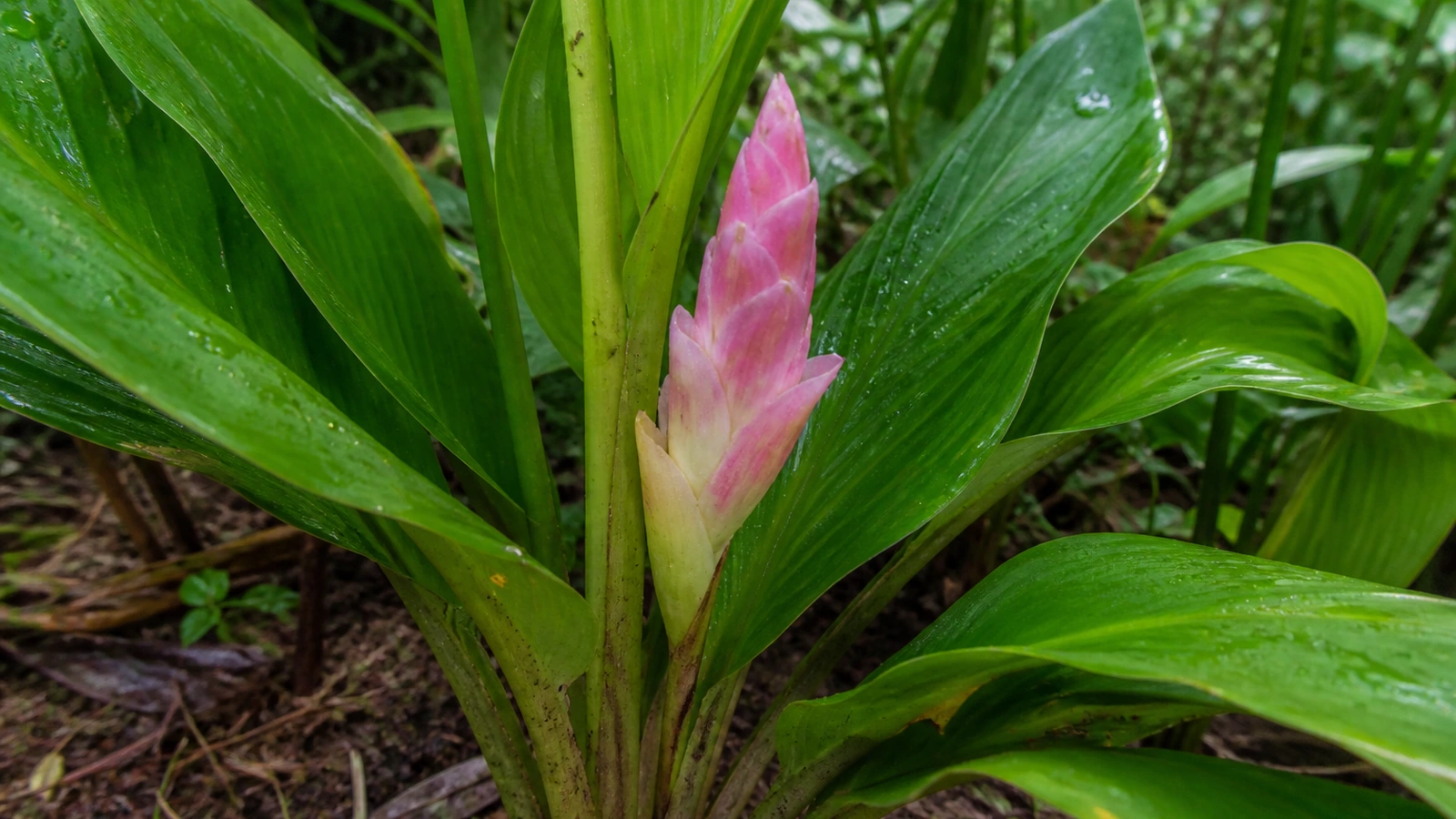
- Ginger flowers are often most useful as ornamental plants, while the edible part of culinary ginger is usually the underground rhizome.
- Healthy growth generally depends on warmth, moisture, and protection from harsh sun or cold.
- Uses should be matched to the specific ginger plant, because not every ginger flower is suitable for eating or home preparation.
Ginger flowers are admired for their bold form, layered texture, and tropical presence, but the name can refer to both the flowering parts of true ginger plants and to ornamental ginger species grown mainly for their blooms. Knowing which plant you are looking at matters because care, size, and practical uses can differ. In gardens, ginger flowers are usually valued for shade, humidity, and a long-lasting display in warm conditions. In the kitchen and in self-care traditions, ginger is better known for its rhizome than for its flowers, so it helps to separate ornament from food use. Clear identification, basic growing needs, and careful handling make the plant easier to enjoy.
What ginger flowers are and how to identify them
The term ginger flower is used loosely, which can create confusion. In everyday language, it may mean the bloom of culinary ginger, the flowering stalk of an ornamental ginger plant, or the plant itself. True ginger belongs to the ginger family, and many related species produce striking flowers in shades of white, yellow, pink, red, or orange. Some flowers grow on upright stalks from leafy clumps, while others appear lower to the ground or emerge from cone-like bracts.
Identification starts with the whole plant, not the flower alone. Ginger plants usually form clumps from underground rhizomes, with upright stems and long, narrow leaves arranged in a layered pattern. The flowers may be fragrant or showy, but the leaves, growth habit, and rhizomes are often more reliable for recognition. In ornamental types, the flower structure may be large and decorative. In culinary ginger, blooms are less often the main attraction and may be small, greenish, or not commonly noticed.
It is also useful to remember that not all plants called ginger are the same. Some belong to related ornamental groups that share a common name but differ in care and use. For home gardeners, the practical question is whether the plant is being grown for landscape value, edible roots, or both. If the identification is uncertain, treat the plant as ornamental only until a reliable source confirms edibility.
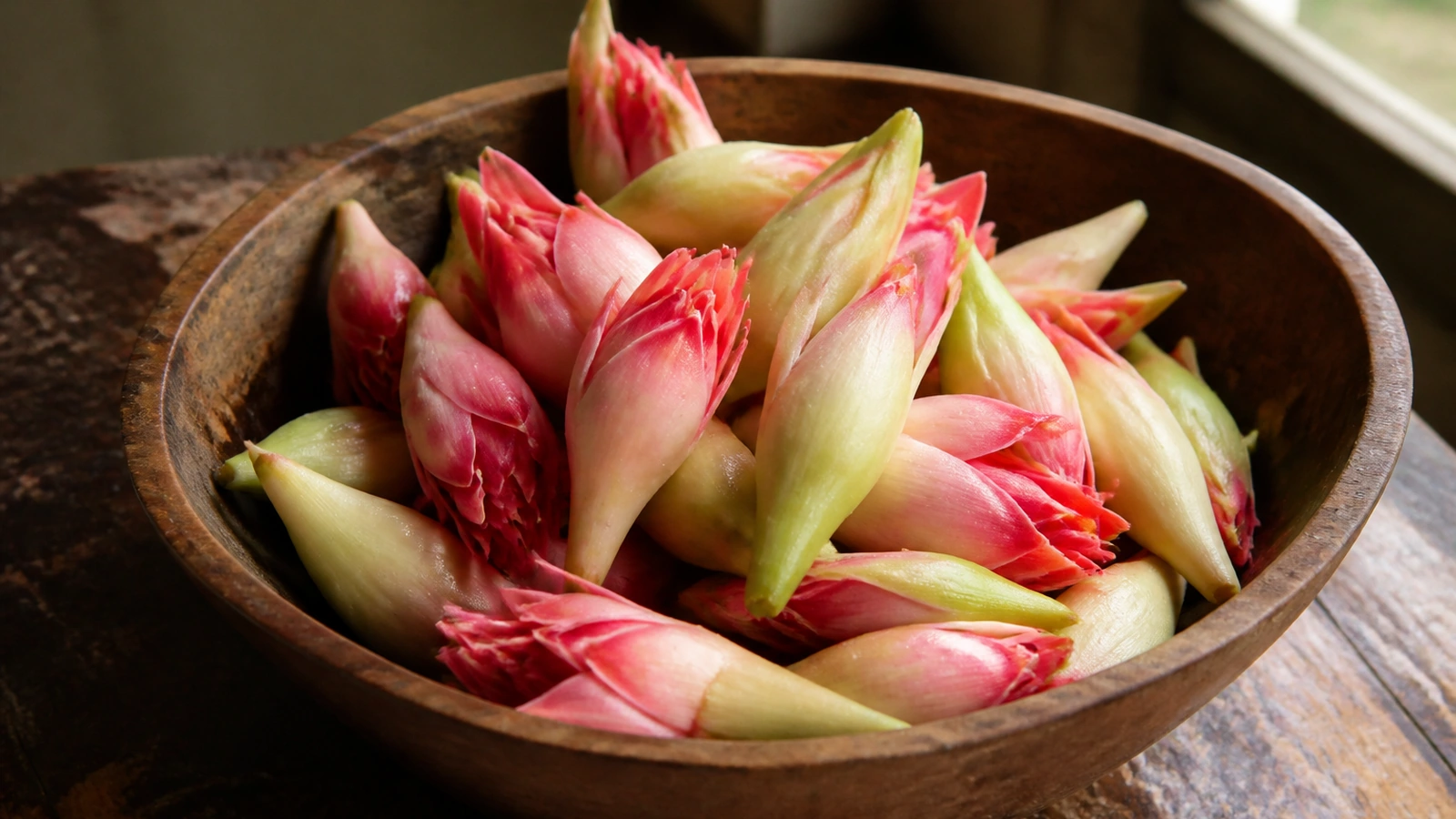
Growing conditions that support healthy ginger flowers
Ginger flowers generally prefer warm, sheltered conditions. Many types grow best in climates that stay frost-free or in protected garden spaces where temperature swings are limited. Cold weather can slow growth or damage leaves, flowers, and rhizomes. Because of that, gardeners in cooler regions often grow ginger in containers that can move indoors when needed.
Light requirements vary by species, but many ginger plants perform well in bright shade or filtered light. Direct, intense afternoon sun can stress leaves and dry the soil too quickly. Too little light, however, may reduce flowering. A practical middle ground is often best: a spot with morning sun and afternoon shade, or a lightly shaded area beneath taller plants.
Soil should be rich, loose, and able to hold moisture without staying soggy. Ginger roots and rhizomes can struggle in compacted or waterlogged soil. Adding organic matter can improve texture and help the plant maintain steady growth. At the same time, drainage matters because standing water can lead to rot. A bed that holds even moisture and drains well is usually a better choice than heavy clay soil.
Humidity is another helpful factor, especially for tropical ornamental types. Dry air can make foliage look stressed and may reduce flowering quality. Mulch can help conserve moisture in the root zone, while regular watering keeps the plant from drying out between rains. The goal is steady, moderate moisture rather than saturation.
Spacing also matters. Ginger plants can spread into dense clumps over time, so they need room for air movement and growth. Crowded conditions can increase disease pressure and reduce vigor. In pots, a container should be large enough to hold the rhizome comfortably and allow fresh growth to emerge without constant crowding.
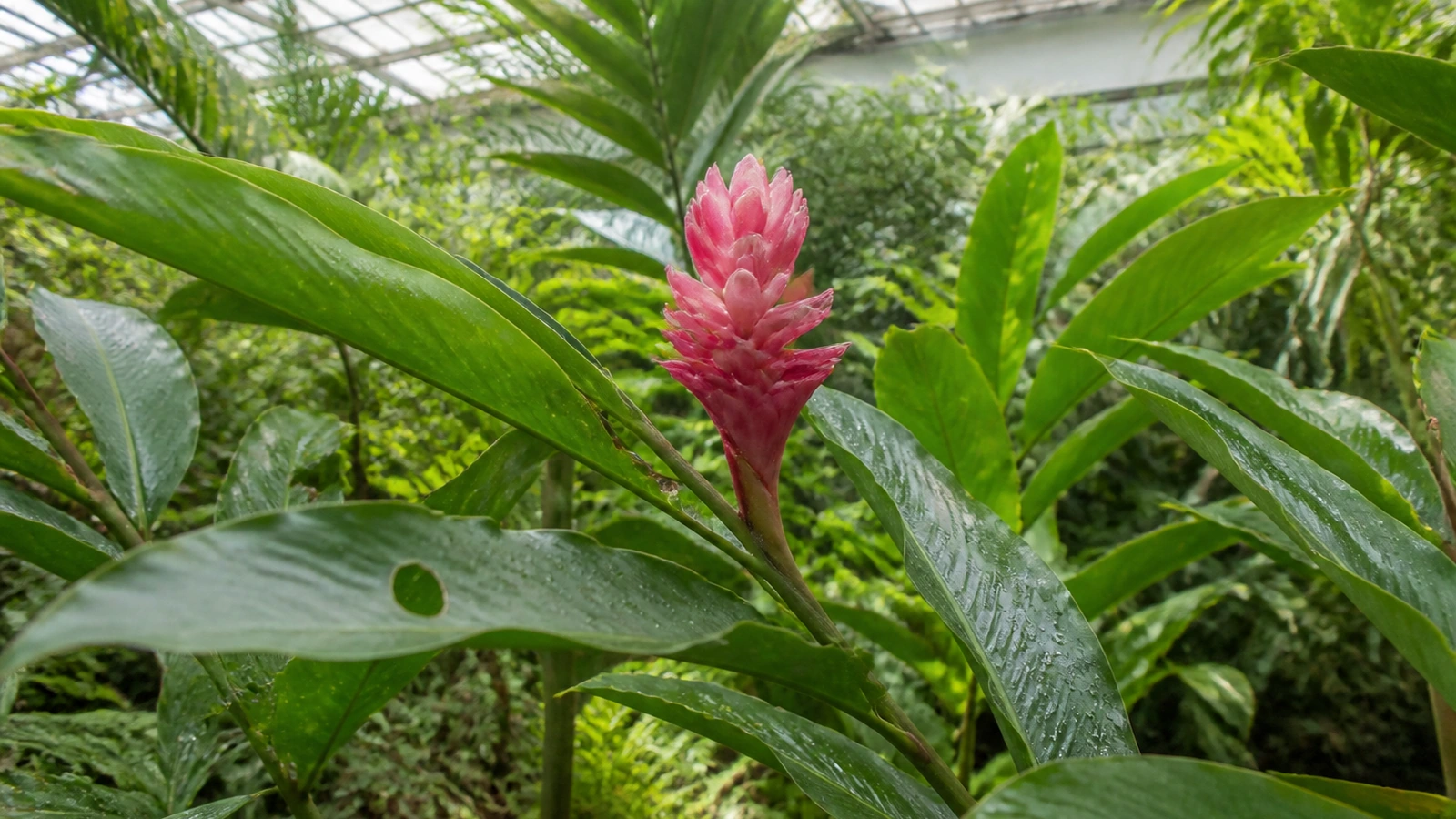
Planting and routine care for strong growth
Planting ginger usually begins with healthy rhizomes or nursery-grown starts. Rhizomes should look firm and free from soft spots or mold. If you are planting culinary ginger for the root and flowers are not your main goal, the same basic care still applies: warmth, moisture, and a protected position.
Set the rhizome in loose soil with the growing points facing upward if they are visible. Cover it lightly rather than burying it deeply, since shallow planting can help new shoots emerge more easily. Keep the soil lightly moist until new growth appears. Once the plant is established, water consistently so the root zone does not dry out completely.
Fertilizer needs depend on the soil, but ginger generally benefits from a steady supply of nutrients in growing season. Compost or other organic matter can support gradual feeding. If using a commercial fertilizer, follow label directions and avoid overfeeding, which can encourage lush leaves at the expense of blooms or make the plant more vulnerable to stress. For edible ginger, moderation is especially important so the plant can focus on healthy rhizome development.
Pruning is usually minimal. Remove yellowing or damaged leaves as needed, and clear away spent flower stalks if the species produces them. This can help the plant look tidier and may redirect energy into growth. Do not cut healthy foliage too aggressively, since the leaves help feed the rhizome.
Container-grown ginger flowers need special attention because pots dry out faster than garden beds. Check moisture regularly, especially during hot weather. Containers also need drainage holes and a stable place away from cold wind. If the plant outgrows its pot, divide or repot it carefully during a warm part of the season.
Common problems and how to avoid them
Most ginger problems are linked to water, temperature, or site selection. The plant may show stress through yellowing leaves, slow growth, weak flowering, or soft rhizomes. Overwatering is a common issue because ginger likes moisture but not prolonged saturation. If the soil stays wet for too long, roots may decline. On the other hand, letting the plant dry out repeatedly can cause leaf scorch and poor bloom performance.
Pests can vary by region, but ginger may attract insects that feed on leaves or weakened tissue. Good air circulation, clean growing conditions, and careful watering can reduce some of these issues. If pests appear, start with the least disruptive approach that is appropriate for the situation. Avoid broad, routine treatment when a more targeted response will do.
Fungal problems become more likely in damp, crowded, or poorly drained spaces. Removing damaged material, improving spacing, and avoiding overhead watering can help lower risk. Since ginger grows from underground rhizomes, any sign of rot should be taken seriously. Soft, foul-smelling, or collapsing rhizomes usually mean the plant needs immediate attention, and in severe cases it may not recover.
Cold exposure is another frequent problem. Even short frosts may injure sensitive ginger types. If your climate has cool nights or seasonal cold, use mulch, move containers, or grow the plant in a sheltered site. A protective location can make the difference between steady growth and repeated dieback.
It is also important to identify the exact plant before using any part of it. Some ornamental gingers are grown only for appearance and should not be treated as food or home remedy material. If there is any doubt, do not assume a plant is edible. When in question, consult a knowledgeable nursery professional or another qualified plant expert.
Uses in the kitchen, garden, and home
The most familiar culinary use of ginger comes from the rhizome of culinary ginger, not the flower. The flowers themselves are generally not the part used in cooking. If a ginger plant is being grown for food, the focus is usually on the underground rhizome, which is harvested after enough time has passed for it to mature. Even then, the specific use depends on the plant type and local food traditions.
Ornamental ginger flowers are often used as cut flowers or landscape accents. Their value comes from shape, color, and durability in warm gardens. They pair well with broad-leaved tropical plants, shaded borders, and container displays where texture matters. In landscaping, they can add structure beneath trees, soften walls, or brighten areas that receive only partial sun.
In practical self-care traditions, ginger is often associated with warmth and comfort, but these uses usually refer to the root rather than the flower. Home preparations should stay within safe, food-based practices and only use plant material that has been correctly identified as edible. Avoid treating ornamental gingers as interchangeable with culinary ginger.
For gardeners, one of the best uses of ginger flowers is visual. A healthy clump can anchor a shaded area and provide seasonal interest without demanding constant pruning. In a mixed planting, the flowers can help create a layered, tropical feel even in a relatively small space. Because the plant may return year after year in suitable climates, it can serve as a long-term feature rather than a temporary display.
Harvesting, handling, and safety considerations
If the ginger you are growing is a culinary type and you plan to harvest the rhizome, timing matters. Young rhizomes can be milder and more tender, while mature rhizomes are usually firmer and more developed. Harvest only what you need when the plant has had enough time to grow. Dig carefully to avoid damaging the remaining rhizome if you want the plant to continue.
Handle harvested parts with care. Clean them well, remove soil, and store them in a way that preserves freshness. Any sign of mold, softening, or unusual odor is a reason to discard the material. For ornamental flowers, cut stems cleanly and keep them in water if you want to extend display time indoors.
Safety is mostly about correct identification and sensible use. Not every plant called ginger is edible, and not every edible plant is appropriate for every person. People with food sensitivities, digestive disorders, or medication concerns should be cautious with any ginger-based food or home preparation and seek qualified advice when needed. Pregnant people, breastfeeding people, and anyone managing a health condition should also ask a licensed clinician or registered dietitian before using ginger therapeutically.
If a plant causes skin irritation during handling, stop contact and wash the area with mild soap and water. If someone accidentally eats an unknown ornamental plant and develops symptoms such as mouth irritation, vomiting, difficulty breathing, or swelling, seek prompt medical help and contact poison control right away. It is always better to verify the plant first than to rely on appearance alone.
Ginger flowers are most rewarding when you match the plant to the purpose. With the right identification, the right light, and steady moisture, they can be reliable additions to warm gardens or sheltered containers, while the edible uses remain tied to correctly identified culinary ginger. Careful selection and basic plant hygiene go a long way toward healthy growth and safer use.