
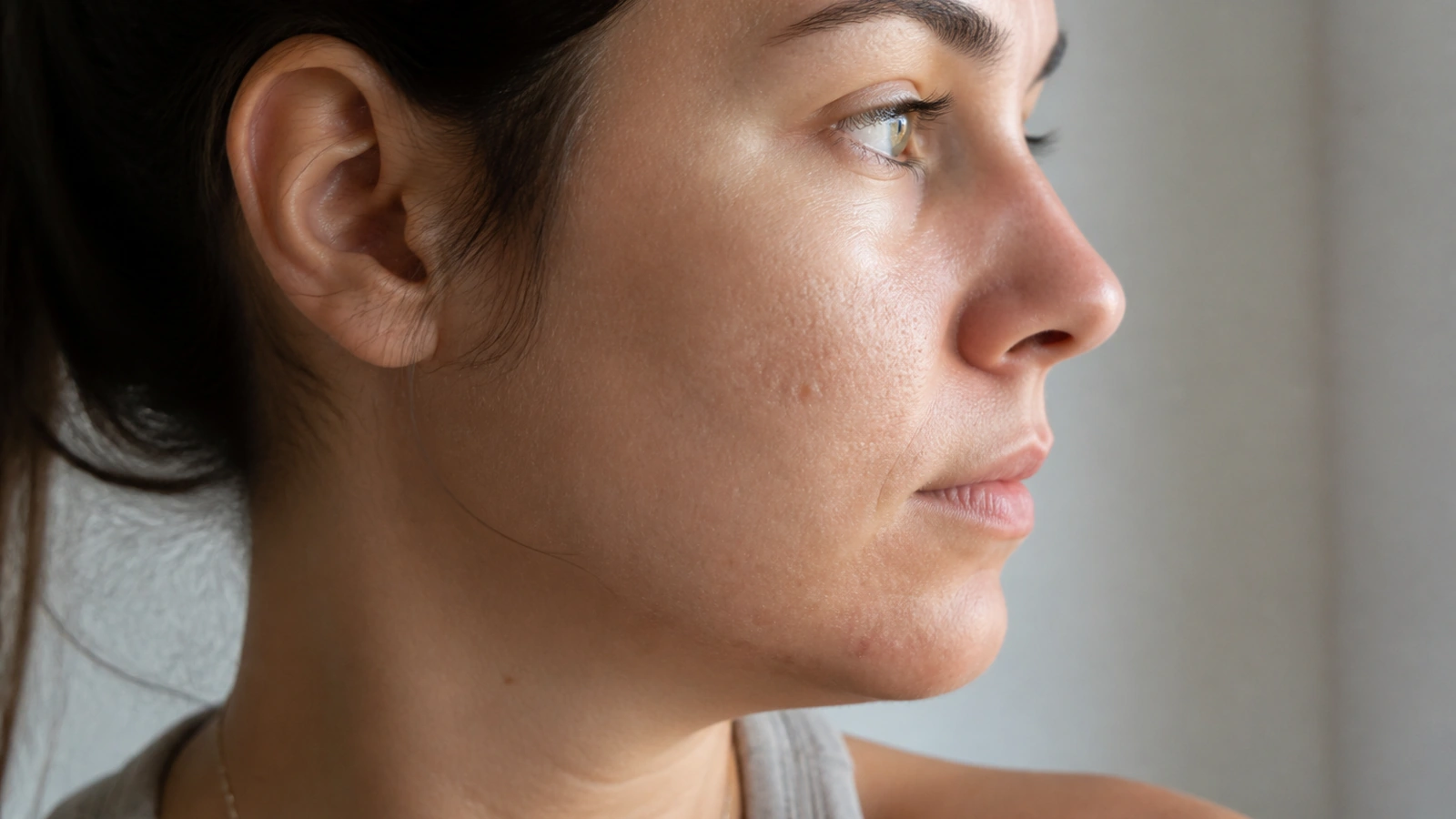
- Chin breakouts are often influenced by a mix of skin oil, friction, and habits that touch the lower face
- Gentle cleansing, consistent skin care, and fewer irritants may help calm the area over time
- Persistent, painful, or scarring breakouts deserve professional evaluation
Chin breakouts can be frustrating because they often seem to follow a pattern that is hard to predict. For many people, the chin is an area where oil, friction, touch, and daily habits can all overlap. Breakouts in this area may look like clogged pores, inflamed bumps, or occasional deeper lesions, and the right approach depends on what seems to be driving them. Careful skin care can help reduce irritation and support a clearer skin barrier, but it is also important to avoid overcorrecting with harsh products or picking at the skin. If breakouts are persistent, painful, or leaving scars, a qualified clinician can help sort out what is going on.
Why the chin often breaks out
The chin is a common breakout zone because it sits in a high-contact part of the face. It is easy to touch, easy to irritate, and often exposed to products, masks, collars, phones, or resting hands. Sweat and oil can collect there more readily, especially if skin care products are heavy or not fully removed at the end of the day.
Hormonal shifts are also often discussed in relation to chin breakouts, especially when the bumps are recurring and concentrated along the lower face. That does not mean every chin breakout is hormonal, and it is not possible to identify the cause from location alone. Still, timing matters. If breakouts follow a cycle or flare with stress, lack of sleep, or changes in routine, those patterns can be useful clues.
Diet is sometimes blamed quickly, but the relationship is not simple. Some people notice that certain eating patterns seem to coincide with more flare-ups, while others do not see a clear link. Rather than assuming one food is always the cause, it is usually more practical to observe your own patterns and keep the rest of the routine steady.
Common triggers worth paying attention to
Several everyday factors can make chin skin more breakout-prone. These are not causes in every case, but they are worth reviewing if blemishes keep returning.
Friction and repeated contact can irritate the skin and contribute to clogged pores or inflamed bumps. This may happen from mask use, chin straps, sports gear, scarves, or simply resting the face on the hand during the day. Even light but frequent rubbing can matter if the area is already sensitive.
Hair and skin products can also play a role. Thick creams, heavy balms, or products that are not suited to your skin type may sit on the surface and contribute to congestion. If beard oils, sunscreen, makeup, or lip products migrate onto the chin, they may add to the problem for some people.
Shaving and hair removal can irritate the area as well. Razor burn, ingrown hairs, and micro-irritation may look similar to acne in some cases. If bumps appear after hair removal, the issue may be less about pore clogging and more about skin trauma.
Stress and disrupted sleep may not directly cause breakouts, but they can make skin care harder to maintain and may coincide with flare-ups for some people. The practical response is not to chase every possible trigger at once. Instead, focus on the few habits most likely to affect the chin day to day.

A practical skin care routine for chin breakouts
A simple routine is often more helpful than an aggressive one. The goal is to keep pores clearer, reduce irritation, and avoid making the skin barrier worse.
Start with a gentle cleanser once or twice daily, depending on your skin type and how oily or dry the area feels. Overwashing can leave skin tight and more reactive, while undercleansing may leave sweat, sunscreen, and oil behind. If your chin is breakout-prone but the rest of your face is dry, you may need to cleanse carefully without scrubbing.
Moisturizer still matters, even when breakouts are present. Dry or stripped skin can become more irritated and may not tolerate active ingredients well. Look for a lightweight formula that feels comfortable and does not leave a heavy residue. The exact texture matters less than whether the product seems to sit well on your skin.
If you use exfoliating or acne-focused ingredients, introduce them one at a time. Too many active products at once can make the chin red, flaky, or more sensitive. A measured approach helps you tell what is actually helping and what is just adding irritation.
Sunscreen is also part of practical care, especially if you use ingredients that may make skin more sensitive. Choose a formula that fits your skin type and can be used consistently. Consistency tends to matter more than searching for a perfect product.
It can help to keep hands off the area as much as possible. Picking, squeezing, or pressing on bumps may push inflammation deeper and increase the chance of lingering marks or scars. If the urge to touch is strong, place a physical barrier between the habit and the skin, such as keeping hands busy or cleansing gently after known friction points.
How to tell acne from irritation or other look-alikes
Not every chin bump is straightforward acne. Several conditions can resemble one another, and the difference matters because the wrong approach can prolong irritation.
Acne often includes blackheads, whiteheads, tender bumps, or deeper inflamed spots. It may build gradually and recur in the same zones. If the chin is oily and the bumps seem to form in clusters, acne is one possibility.
Irritation from products or friction may look red, rough, or scattered. The skin may sting, burn, or feel overly tight rather than simply clogged. If symptoms started after a new cleanser, mask, shaving method, or cosmetic product, irritation is worth considering.
Ingrown hairs can cause small inflamed bumps, especially after shaving or trimming. These may be more localized around hair-bearing areas and can feel tender. Treating them like regular acne may not help if the root issue is hair growth into the skin.
Some rashes and follicle-related problems can also affect the lower face. If bumps are itchy, widespread, unusually painful, crusted, or not improving with a simple skin care routine, it is wise to get an expert opinion rather than guessing.
Watch for warning signs such as rapid spreading, swelling, fever, drainage, severe pain, or breakouts that are leaving scars. Those signs do not automatically mean something serious, but they do mean it is time to seek qualified care.
What to change in daily habits
Small habit changes can make skin care work better. The chin is especially sensitive to repeated small exposures, so practical adjustments often matter more than dramatic changes.
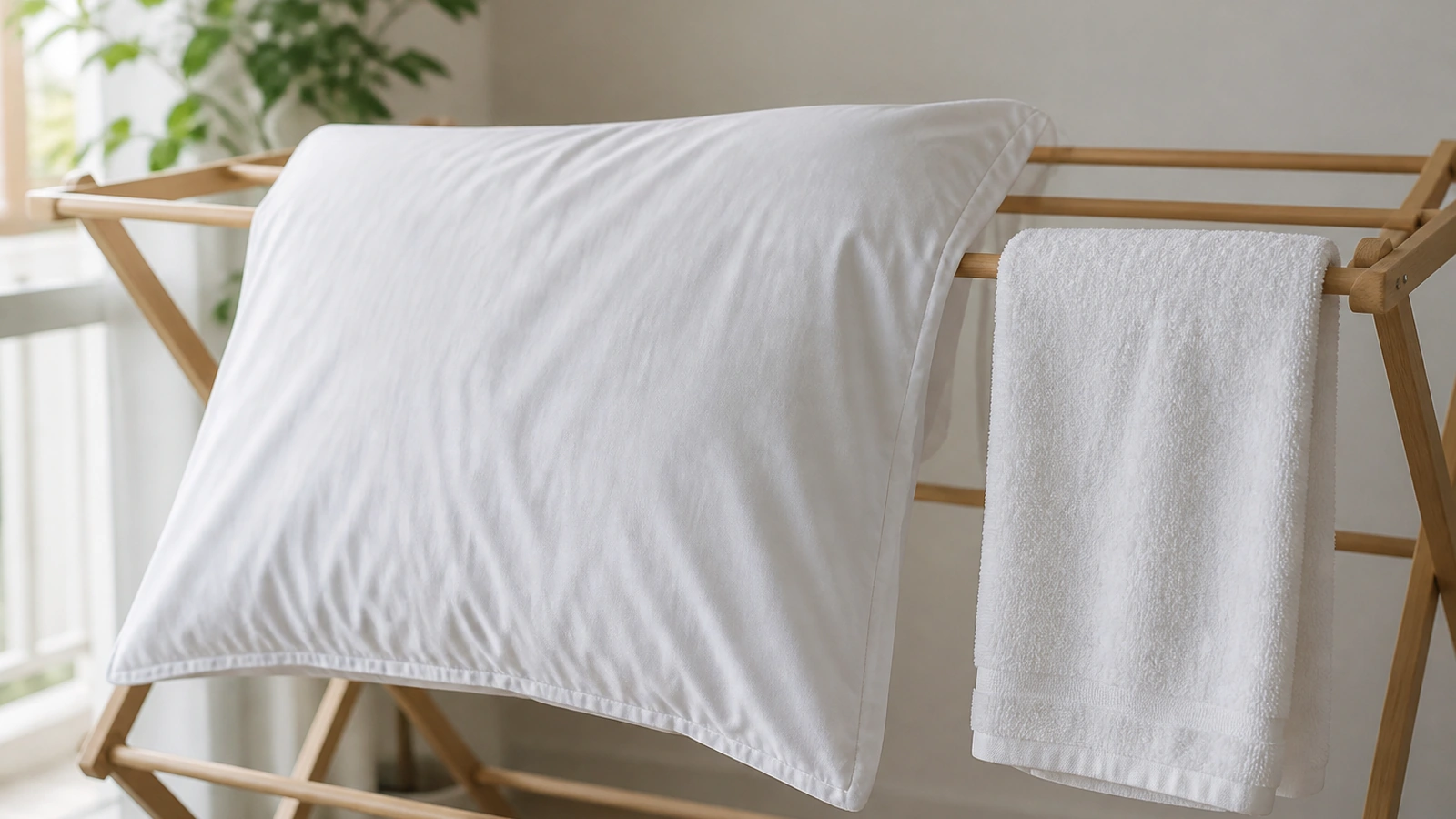
Clean phone screens and anything that rests against the lower face. If you wear a mask or chin strap, change it regularly and make sure it fits without rubbing. Choose softer fabrics when possible, and avoid tight collars that create constant friction.
Be thoughtful about makeup and skin care layering. Products do not need to be minimal to be effective, but they do need to suit your skin. If a product seems to make the chin feel greasy, sticky, or congested, consider whether it belongs in your routine.
Try not to constantly check the area in mirrors or with your fingers. Repeated inspection often turns into touching, and touching often leads to more irritation. If you need to assess progress, do it at a set time rather than throughout the day.
Hydration, sleep, and stress management are not quick fixes, but they support consistency. When routines are steadier, it is easier to notice what is improving and what is not. That helps you make better decisions about whether to simplify, switch, or ask for medical guidance.
When professional care makes sense
If chin breakouts are frequent, painful, or not responding to reasonable self-care, a clinician can help identify what type of breakout it is and whether a different approach is needed. That is especially important if the area is scarred, if blemishes are large and deep, or if the pattern is changing.
Professional care can also be useful when breakouts interfere with daily comfort or confidence. Some people try many products in succession and end up with more irritation than relief. A structured evaluation can reduce trial and error.
It is also worth asking for help if breakouts seem linked to other symptoms, such as irregular cycles, unusual hair growth, sudden acne changes, or widespread skin irritation. Those patterns do not prove a specific diagnosis, but they can give a clinician useful context.
If you have sensitive skin, eczema, rosacea, a history of reacting to products, or current skin picking habits, mention that during the visit. Those details can affect what treatments or routines are likely to be tolerated. The safest plan is usually one that fits both the breakout pattern and the person’s skin.
Chin breakouts often improve most when the routine is consistent, the triggers are narrowed down, and the skin barrier is treated with respect. Simple care, less friction, and a realistic view of what may or may not be causing the problem can go a long way. If the bumps persist, hurt, or keep returning in a way that does not make sense, qualified care is the next practical step.